

Sometimes in a pattern, we are asked to cast on stitches while knitting.
For example, to form a staircase at the edge of a shawl (like the Hitchhiker by Martina Behm), to make the one-inch gusset or after separating the body and sleeves of a top-down sweater.
This notion can be a little confusing because generally when we cast on stitches, there is nothing yet on our needles.
Here are three ways that can help.
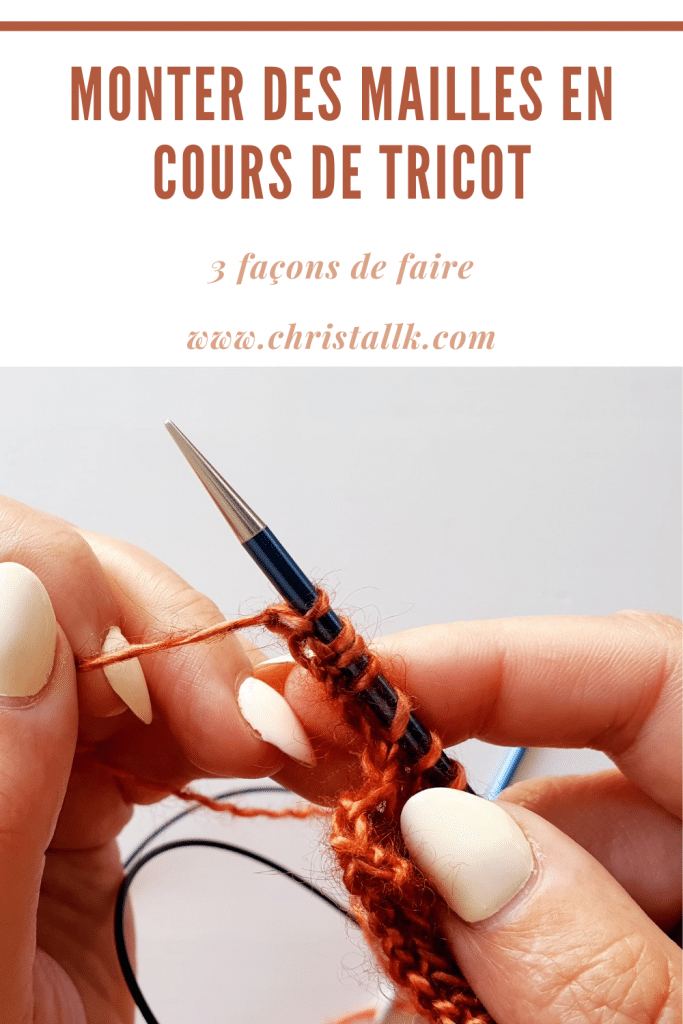
1. Cast-On while knitting with loops or Backward Loop Cast-On
This method is probably my favorite for casting on under the arms when making a top-down sweater.
It allows you to obtain large loops at the base of the cast-on and therefore makes it easier to pick up stitches later.
The border formed by the stitches will be very flexible; it will therefore not be the most suitable when it is not hidden by a seam or by picking up the stitches.
Let's see this method step by step.
- Pass the yarn over your index finger (the knitting is on the right side).
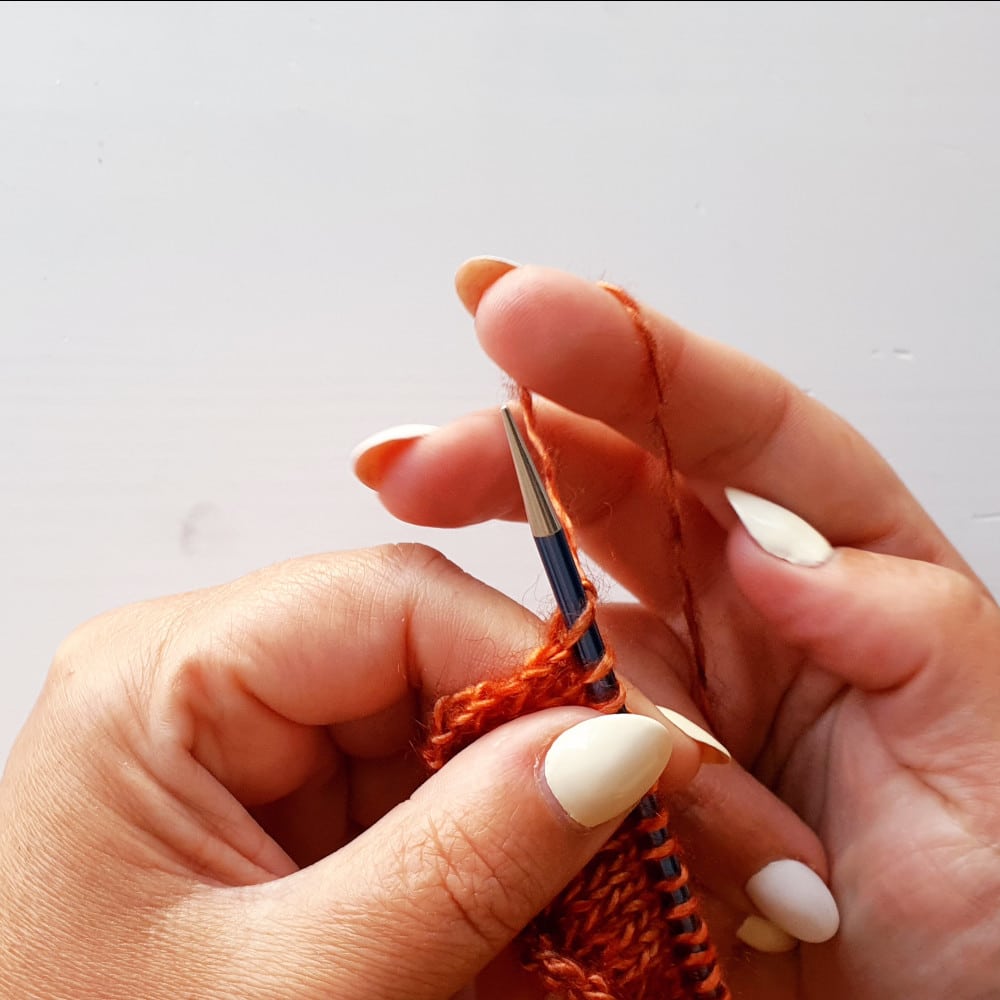
- Make a loop on your index finger.
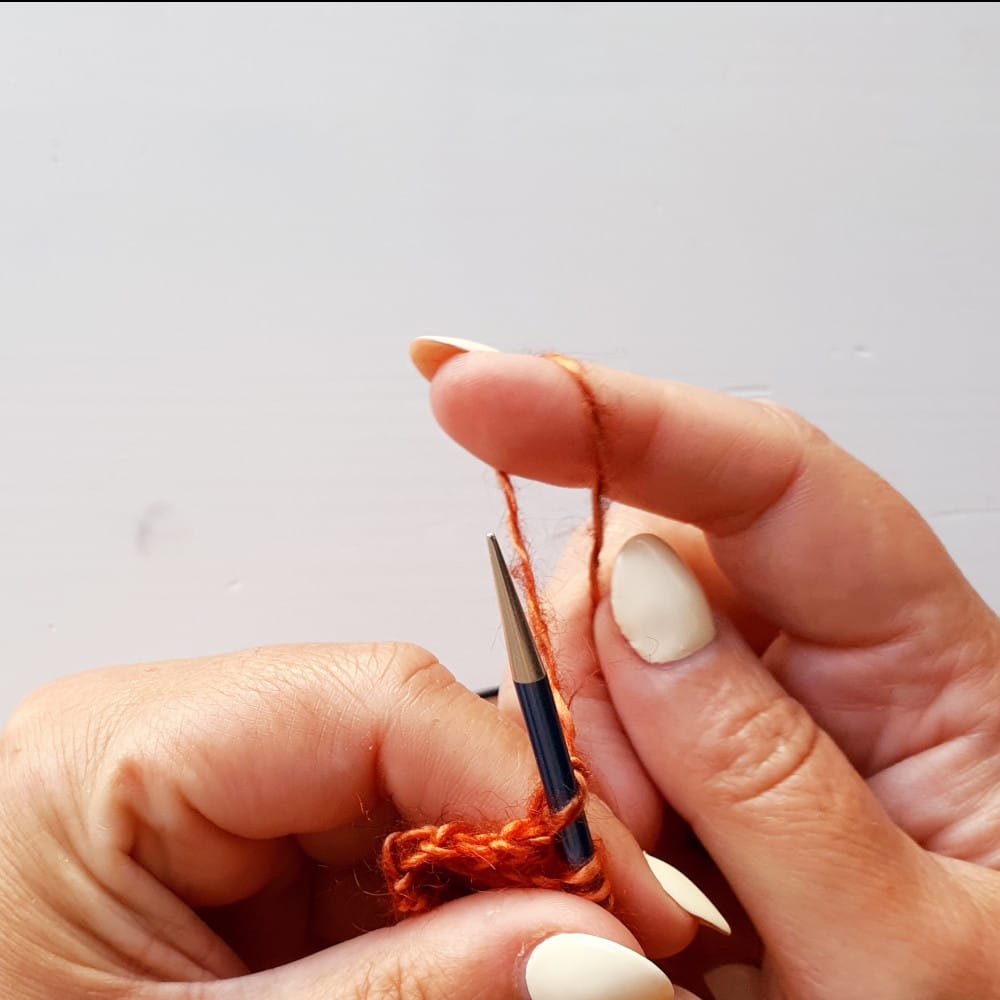
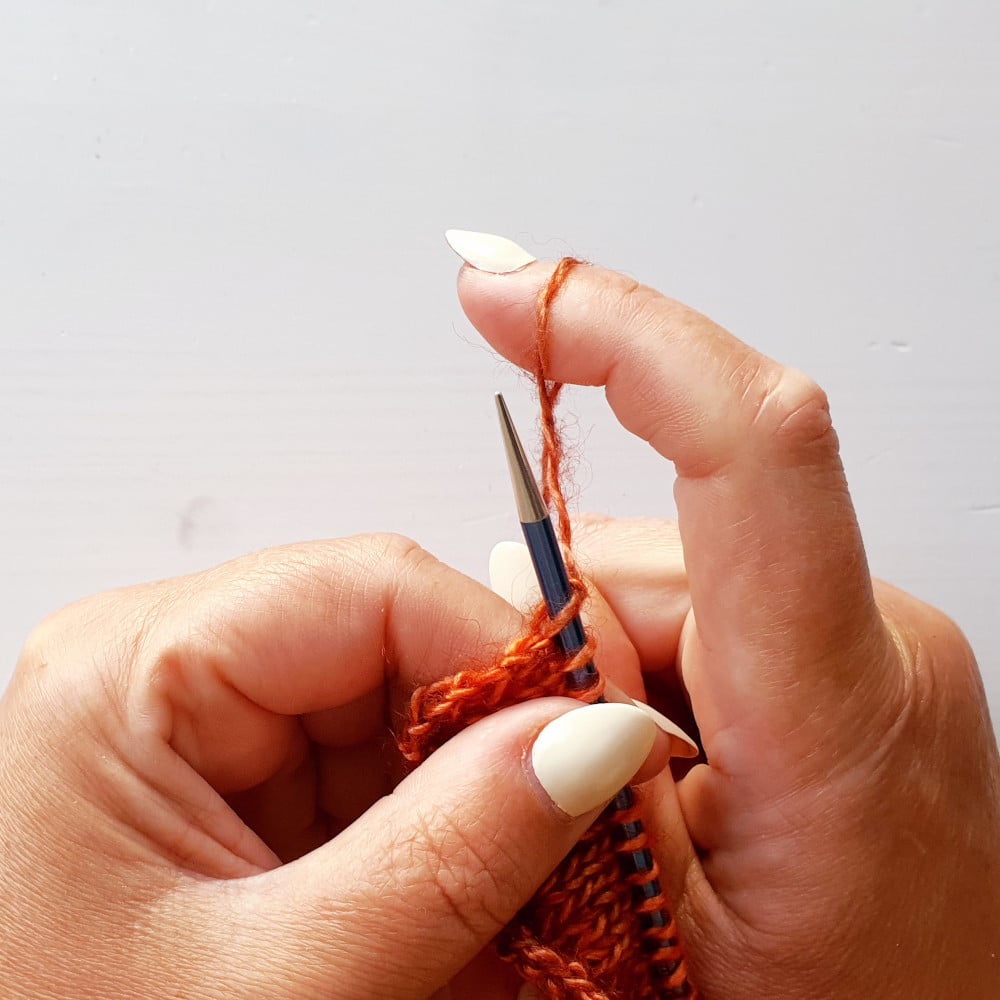
- Place this loop on your right needle.
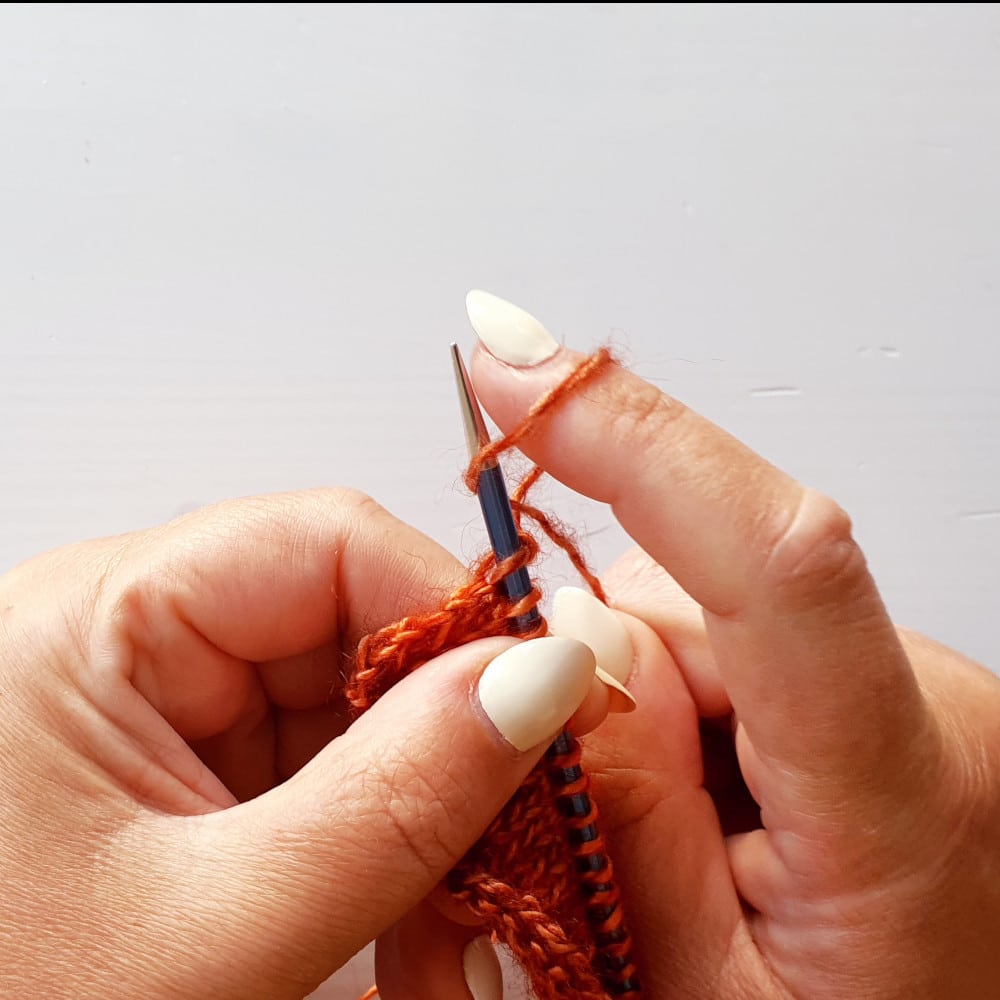
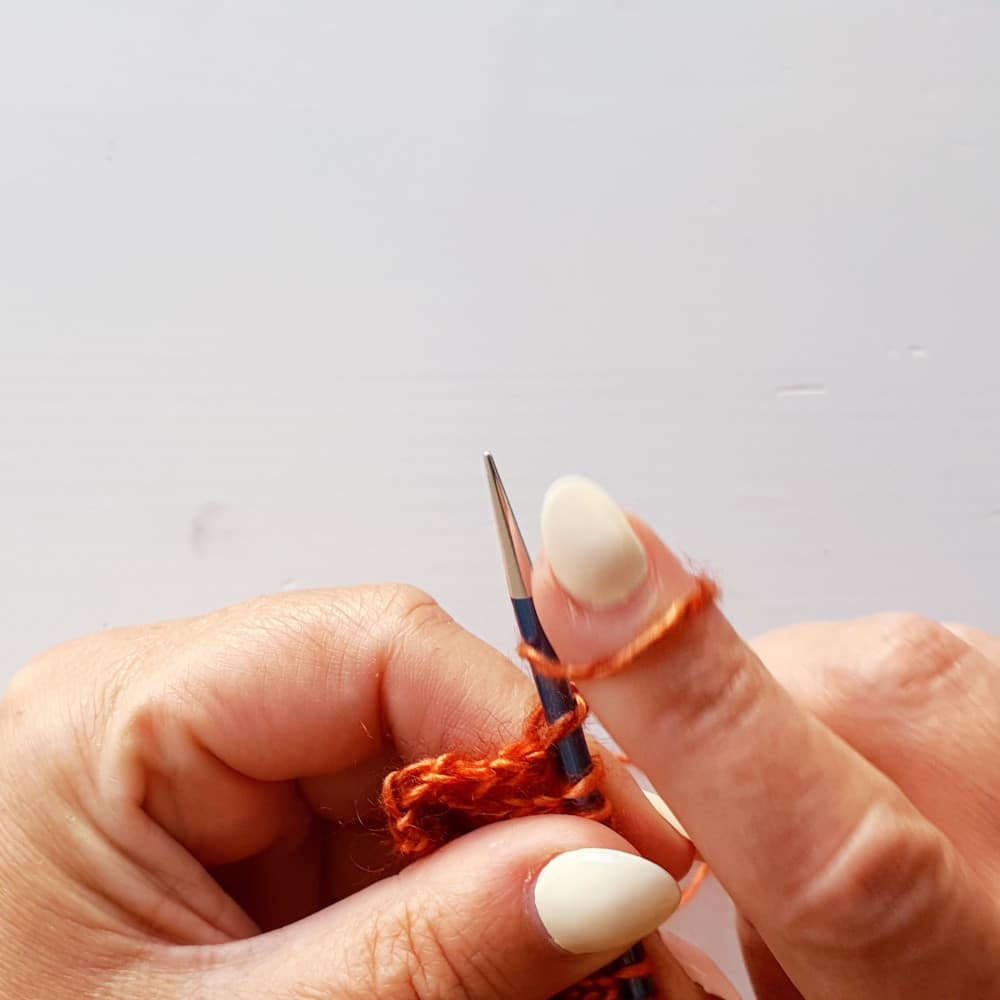
- You have just cast on your first stitch. Continue in the same way to cast on the desired number of stitches.
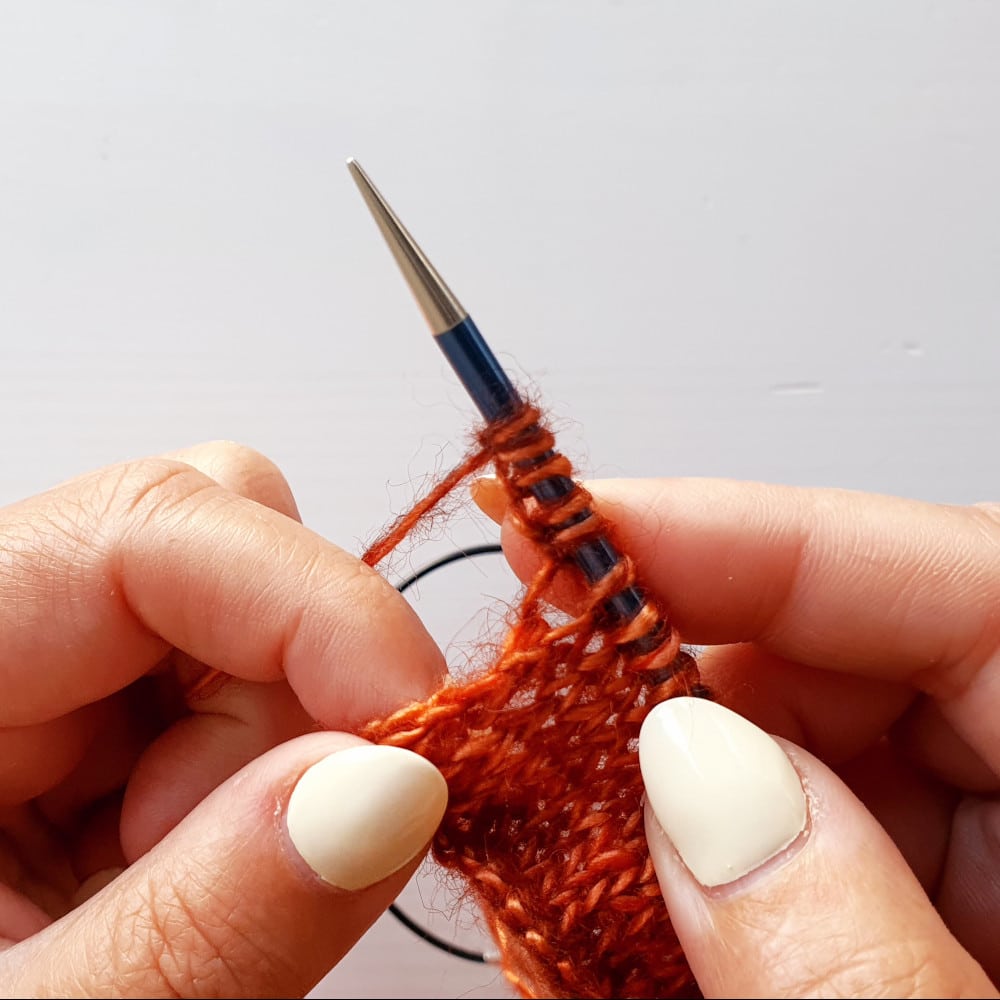
2. Casting on the stitches in the French style or Knitted Cast-On
This cast-on is one of the easiest there is because it requires no more skill than that needed to knit a stitch.
This cast-on pattern can be used to cast on stitches while knitting or to cast on stitches at the beginning of your project. It has the advantage of not requiring a specific length of yarn before starting, so there's no risk of running out of yarn while casting on.
To cast on stitches while knitting in this way, let's see how to proceed:
- First, place your work wrong side out so the yarn is on your left needle.
- Then insert your right needle as if you were going to knit a stitch.
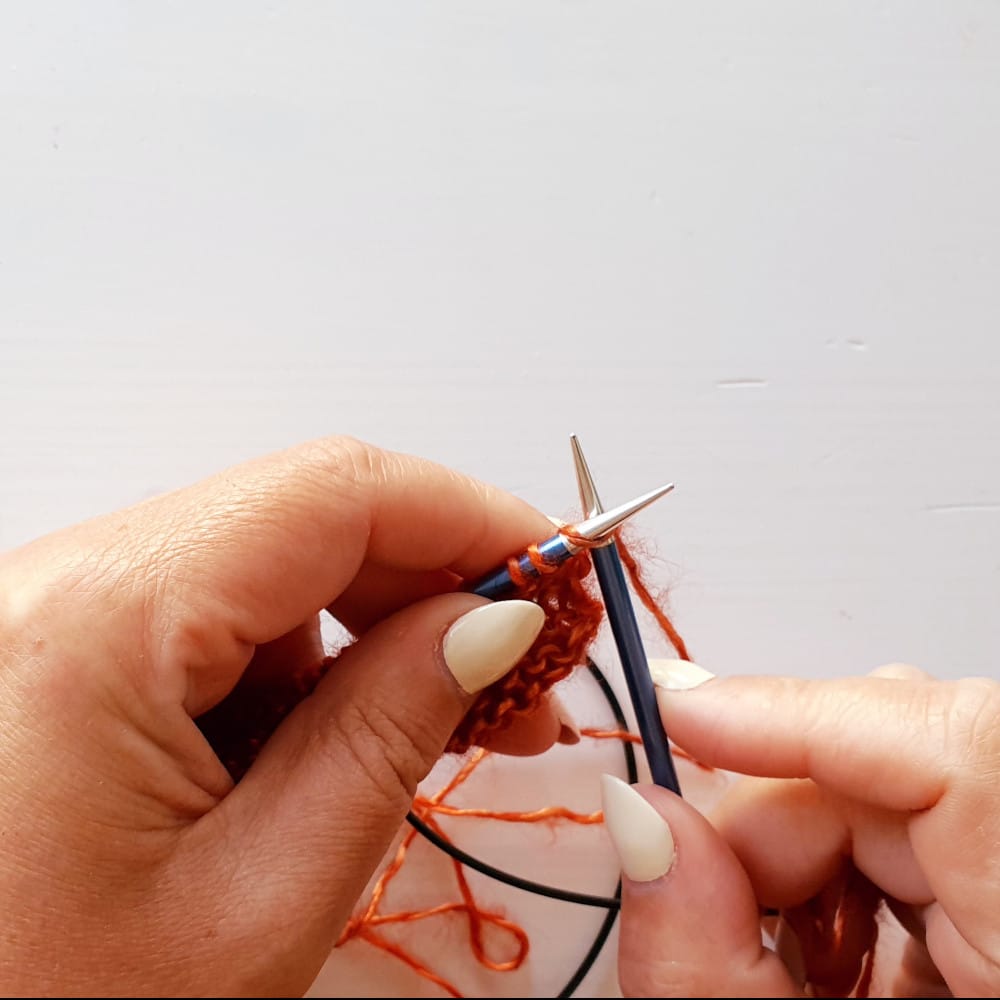
- Knit this stitch but do not drop the strand that is on the right needle.
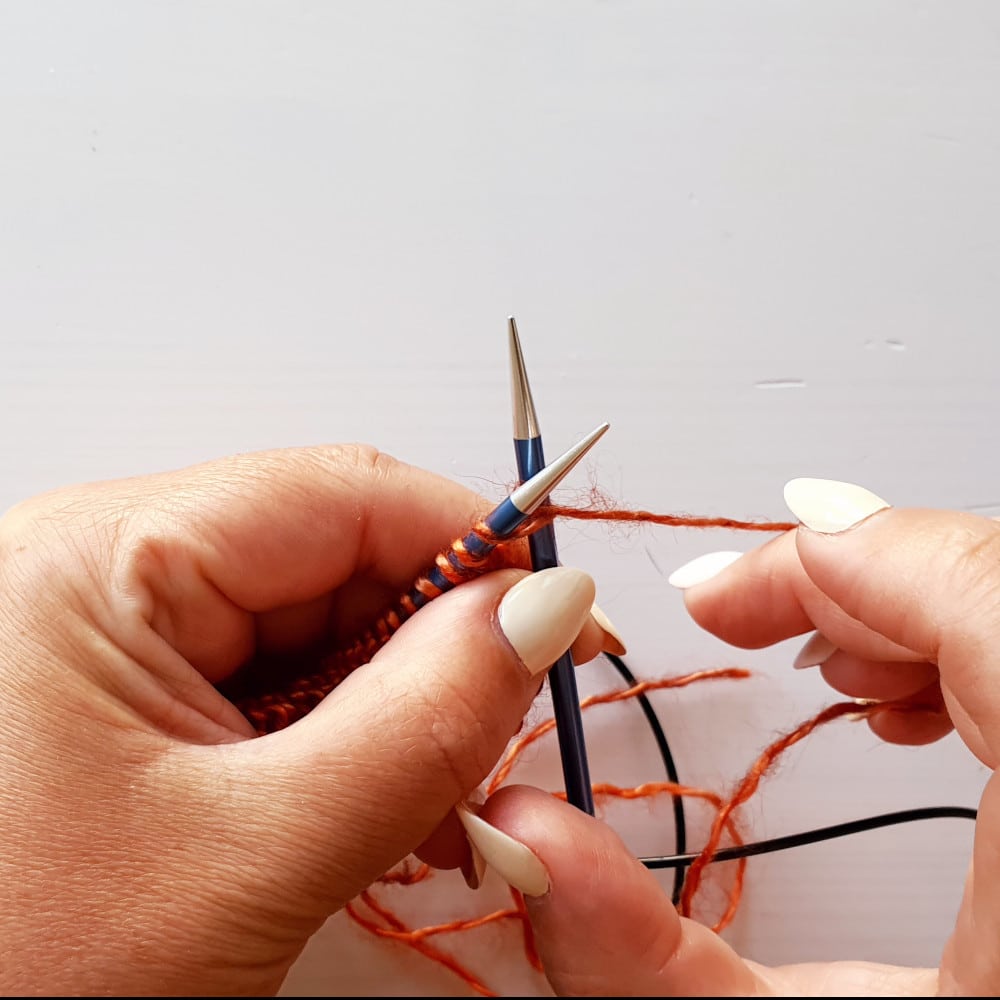
- Pull the yarn to lengthen this stitch.
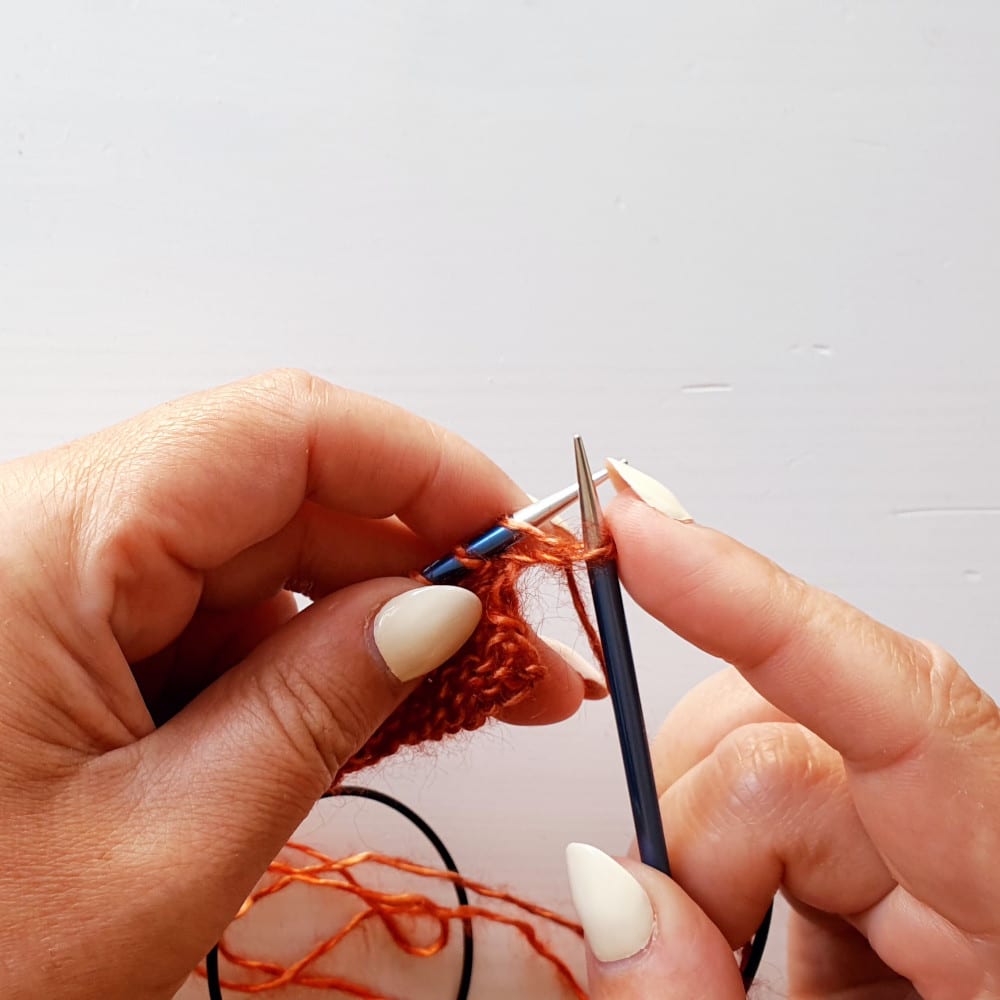
- Place this stitch thus created on your left needle.
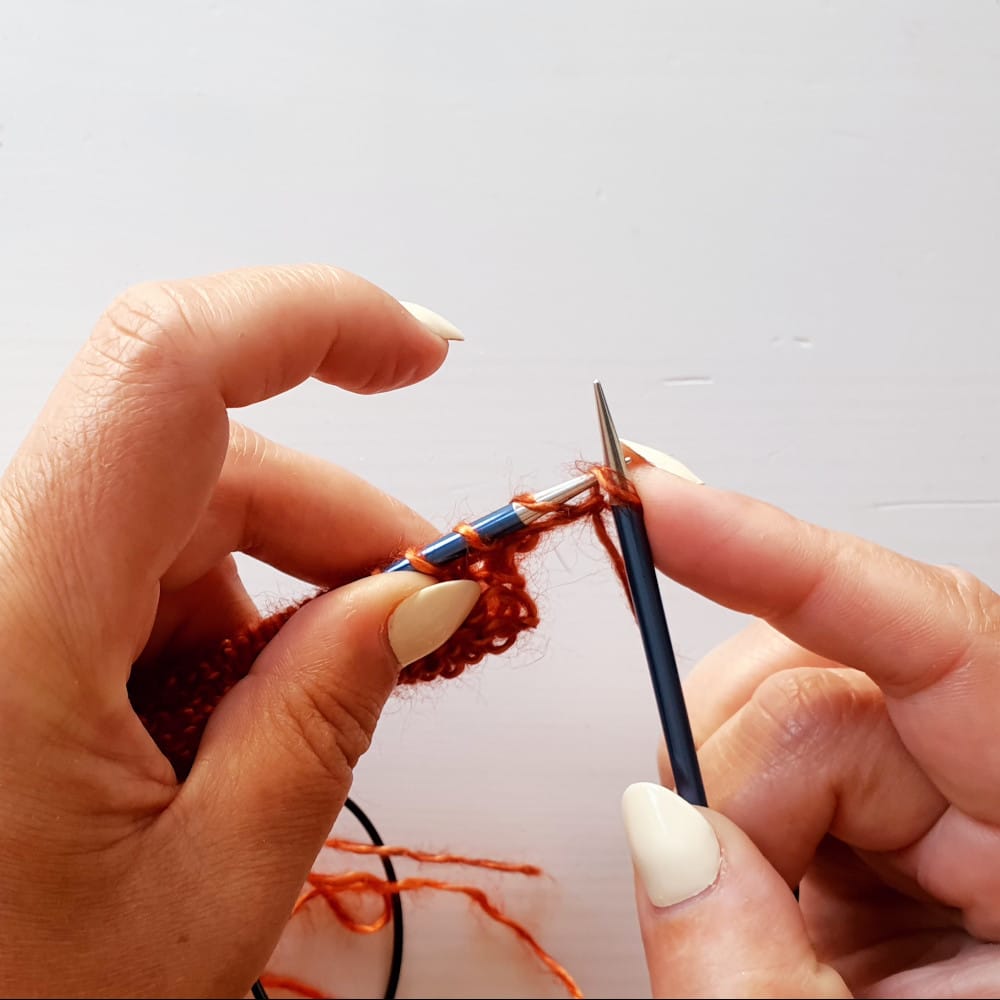
- You have just cast on your first stitch. Continue in the same way to cast on the desired number of stitches.
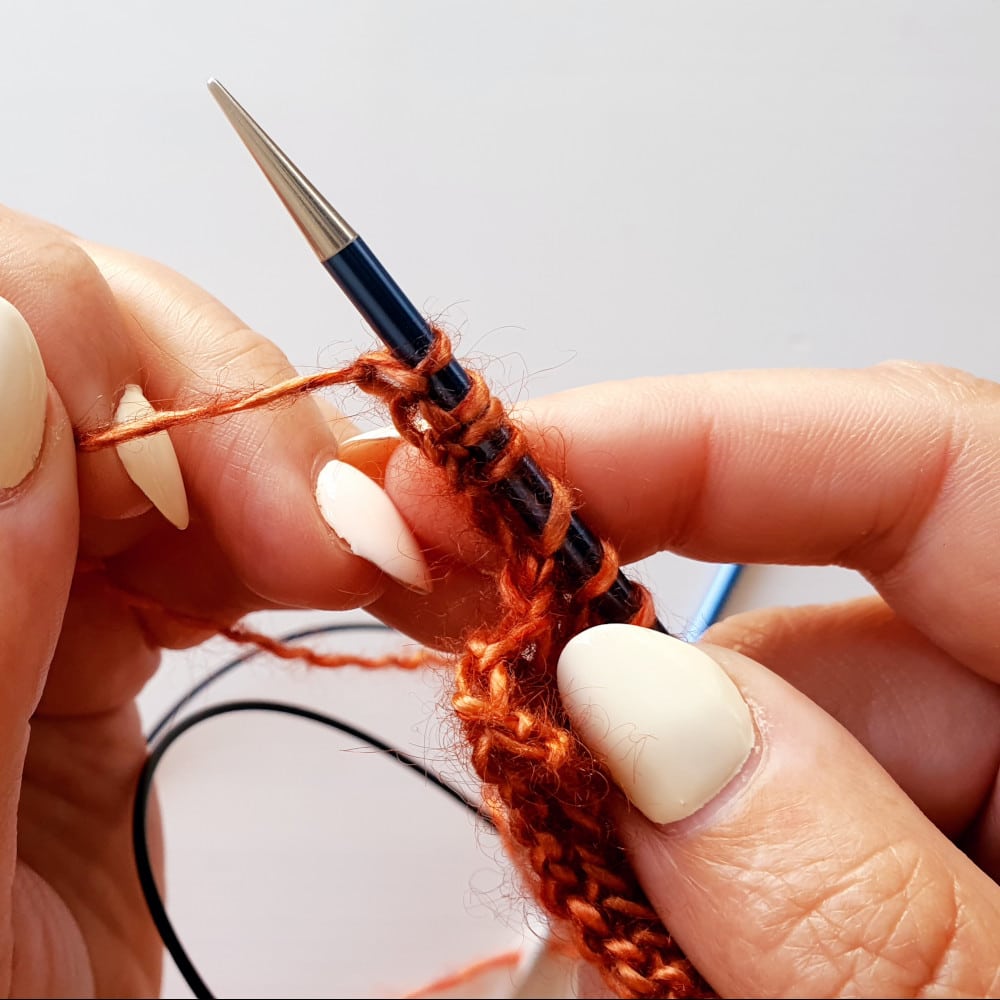
3. English mounting or Cable Cast-On
Just like the French cast on, the English cast on can be used to cast on stitches during knitting as well as to cast on stitches at the beginning of a project.
You will need to be careful that your stitches are not too tight to form a loose border.
- Turn your work inside out and insert your needle between the first two stitches.
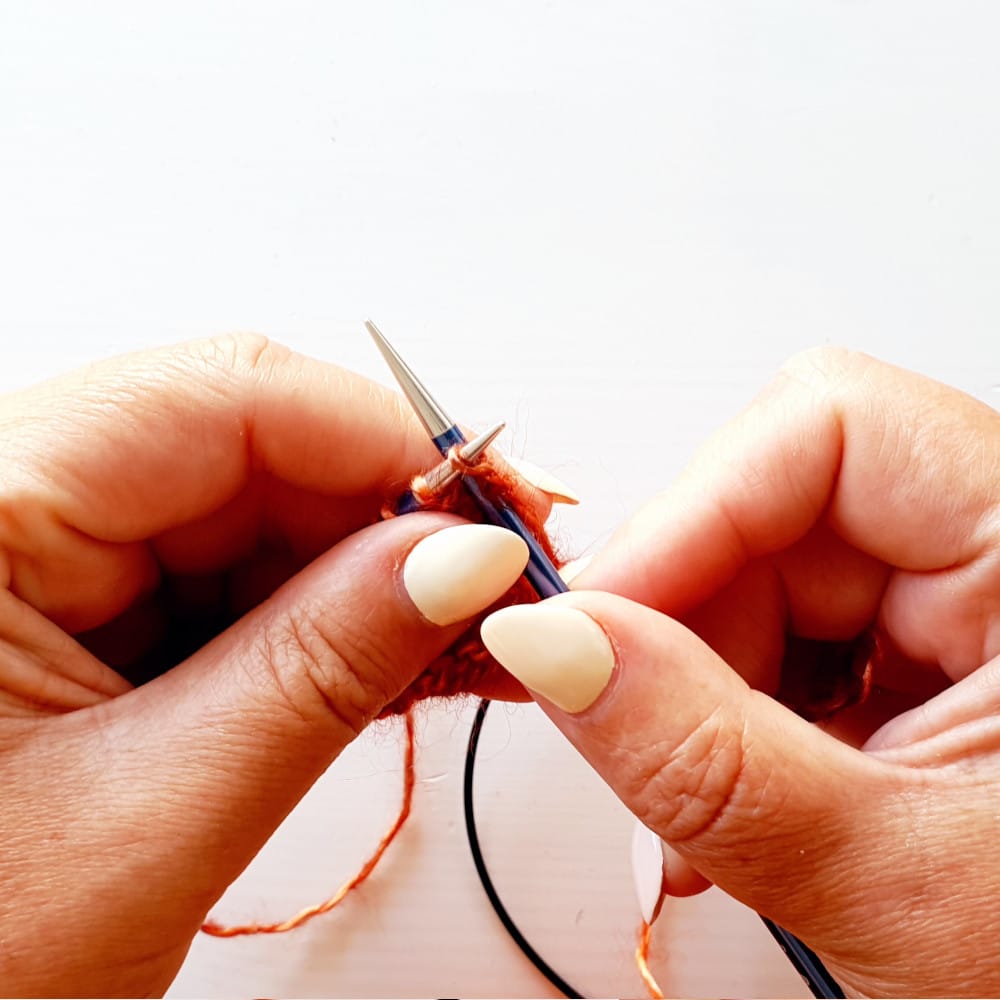
- Thread the yarn over the needle and pull the loop through the two stitches. Then proceed as in the French cast-on above.
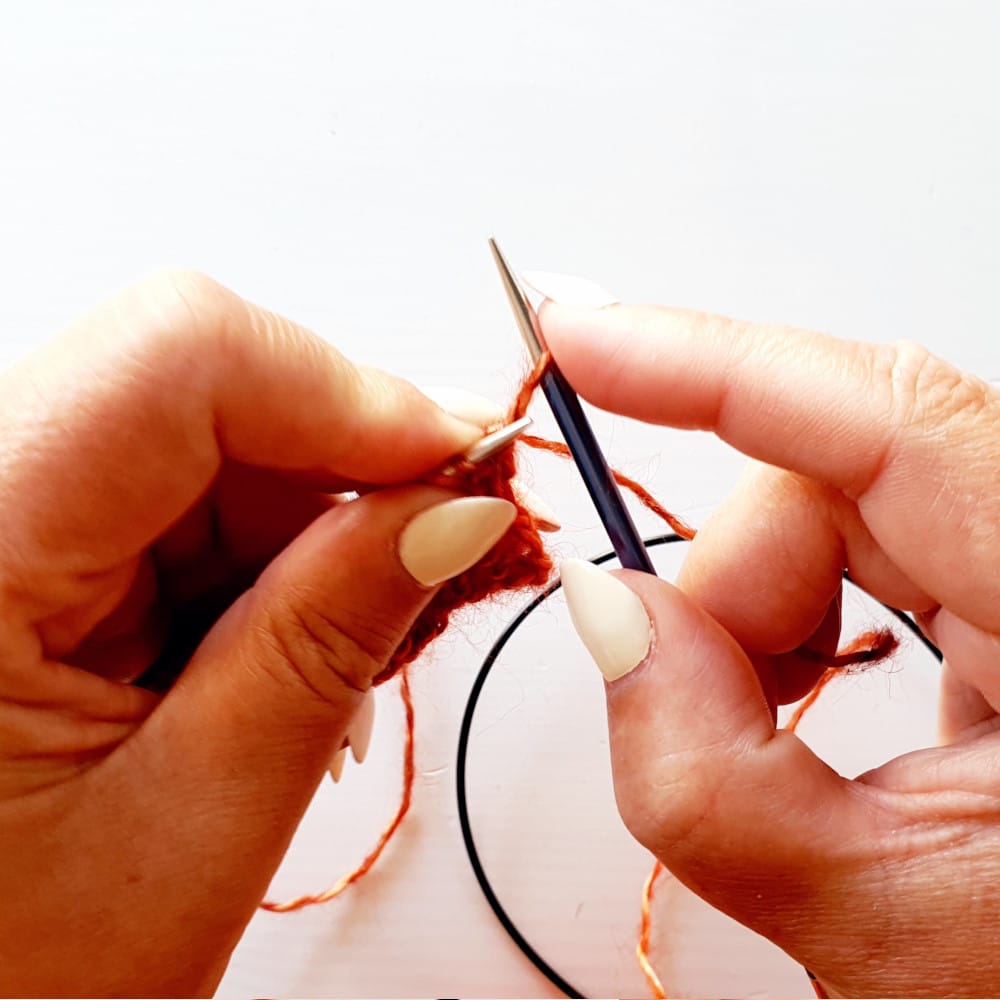
- You have just cast on your first stitch. Continue in the same way to cast on the desired number of stitches.
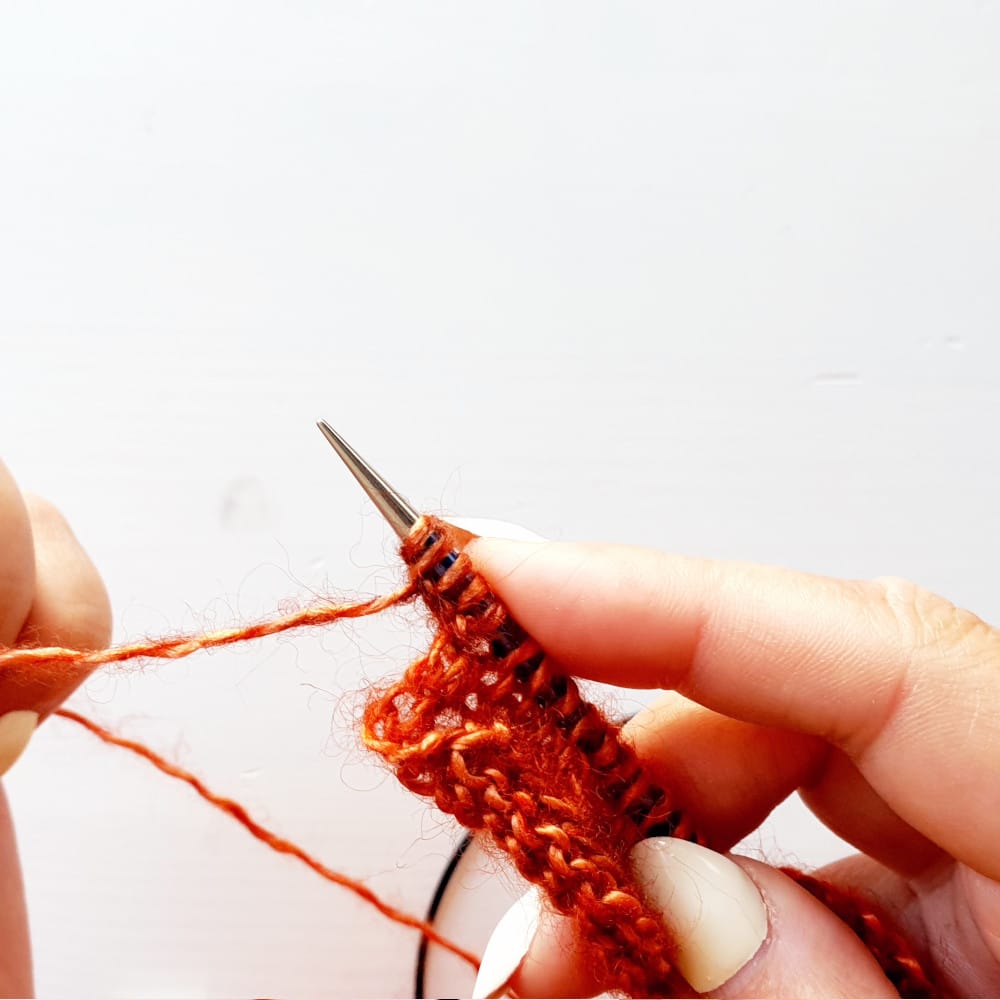
You now know how to cast on stitches while knitting in three different ways.
If you want to learn more or review these methods, take a look at this video:
If you would like to share this article with others, please feel free to share it via social media (just click the buttons below).
See you soon,
Christelle


Comments 2
Regarding the samples, it is recommended to make a border all around. In a video by an American "designer" whose name I no longer remember, she advised against making this border which according to her prevented the knitting from taking its "ease" like in a normal knit. I wanted to check by knitting the same sample with and without a border
Author
The ideal is to make a border but also to make a fairly large sample (not just 10*10 cm). 20*20 is really ideal, Ysolda talks about it in one of her books.